News
UK Researchers Discover New Drug That Could Offer Long-Term Relief From High Blood Pressure

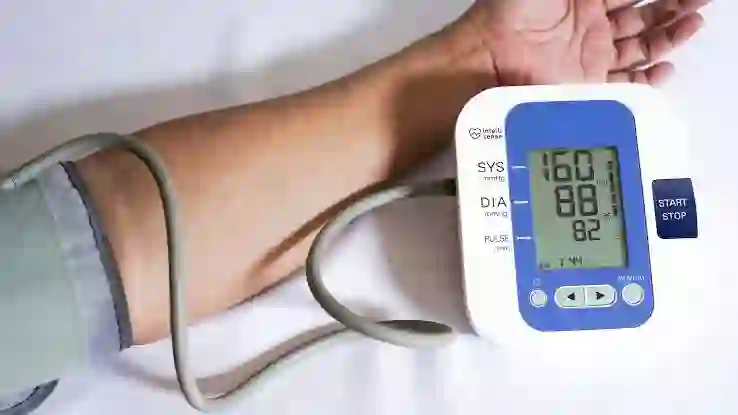
A new drug known as baxdrostat has shown promising results in the treatment of high blood pressure, with a small clinical study suggesting that some patients maintained normal blood pressure levels for up to two years after stopping the medication.
The findings have raised hopes among medical researchers investigating new ways to manage hypertension, particularly in patients suffering from primary aldosteronism, a condition in which the adrenal glands produce excessive amounts of aldosterone, a hormone that causes the body to retain salt and increases blood pressure.
The research was led by Professor Morris Brown, a hypertension specialist at Queen Mary University of London in the United Kingdom.
According to the findings, some patients who received baxdrostat experienced significant and lasting improvements in their blood pressure, even after completing treatment.
Professor Brown disclosed that just under a quarter of the participants were able to discontinue all their blood pressure medications while maintaining normal readings.
More than one billion people worldwide are estimated to be living with hypertension, including over 12 million people in the United Kingdom.
Primary aldosteronism is believed to account for between five and 10 per cent of hypertension cases. The condition is often associated with small nodules or non-cancerous growths on the adrenal glands, which cause excessive production of aldosterone.
Although surgery to remove an affected adrenal gland is a common treatment option, it does not always completely resolve high blood pressure, as other underlying factors may also contribute to the condition.
Baxdrostat belongs to a class of medicines known as aldosterone synthase inhibitors. It works by blocking the production of aldosterone, thereby reducing the hormone’s impact on the kidneys and helping to lower blood pressure.
The drug has also attracted attention because of its potential application in patients whose blood pressure remains uncontrolled despite taking existing medications.
The reported long-term benefits were observed in a small study involving 14 patients. Their blood pressure improved significantly during an initial three-month treatment period.
The participants subsequently continued taking daily doses of baxdrostat for between six and 12 months before stopping the medication.
Follow-up assessments revealed that their blood pressure remained lower for as long as two years after treatment ended.
The development could represent an important step in hypertension research, particularly for patients whose condition is linked to excessive aldosterone production.
However, researchers have cautioned that the findings should not be interpreted as proof that baxdrostat can permanently cure high blood pressure.
The study involved only 14 participants, meaning larger clinical trials are still required to establish the drug’s long-term effectiveness, safety and suitability for a wider population.
Meanwhile, health experts continue to advise people living with hypertension to follow medical guidance, monitor their blood pressure regularly and avoid stopping prescribed medications without consulting a qualified healthcare professional.
READ ALSO:







You Taught English And Literature – Abati Tackles Adetokumbo Pearse Over Tinubu’s Chicago University Certificate

President Is A Professional Crook, His Real Name Is Not Tinubu – Adetokunbo Pearse Makes Explosive Allegations

Noma: No child should die from preventable disease – MSF charges govt, stakeholders to improve response

‘Do You Know The Insults Children Heap On Me?’ – Gov Kefas Cries Out Over Criticism, Sleepless Nights

2027 polls: 54 INEC officials face sanctions over irregular voter registrations – The Witness Nigeria

Electricity shortfalls: Stop shifting blames, find solutions – DisCos tell TCN, GenCos, gas suppliers

Tinubu’s Chicago certificate: How does teaching English qualify you to supervise Accounting? – Abati fires back at ex-lecturer

Turkey: Number of matches Osimhen will miss for Galatasaray revealed

“Ugandan Woman Caught With 87 Wraps Of Cocaine After Church Visit” — NDLEA Intercepts ₦900m Opioids, Busts International Drug Syndicates

“Three-Day Sympathy Strike” — NLC Orders Osun Workers To Down Tools Over Withheld Local Government Allocations

UK Researchers Discover New Drug That Could Offer Long-Term Relief From High Blood Pressure

NDC reveals itinerary for Peter Obi Wednesday’s visit to Benue

Woman stages own kidnap in Delta, demands N15m ransom
Woman stages own kidnap in Delta, demands N15m ransom

Awujale succession crisis deepens as Adele Council drags Abiodun, AIAC to court

Kogi Airport groundbreaking: RELAX DG Ahmed Bala commends Tinubu, Governor Ododo, Keyamo on aviation infrastructure development

Obi’s Visit: Benue Govt Denies Plot To Disrupt NDC Rally

Cross River LG workers reject Otu’s reinstatement claim, protest unpaid salaries

AFCON 2027Q: Iwobi, Bassey, Nwabali lead Super Eagles’ early arrivals in Uyo camp

Abiodun’s Last Loot: ₦200bn Bond With 2 Months Left In Budget, 6 Months Left In Office

 Headlines5 days ago
‘Politics is expensive everywhere’ – Wike replies critics over high billboard cost in Abuja
- Special Report5 days ago
Namibia President hails Dangote’s $2.5bn investment as historic milestone for African industrialisation – The Witness Nigeria
- Metro5 days ago
“Any Algorithm Can Calculate, But It Cannot Care” — NMCN Registrar Warns Nurses Against Overreliance On AI
- Special Report6 days ago
Police invite late singer, Toluwanisings’s wife, father, as parties sign peace deal – The Witness Nigeria
- Metro6 days ago
“We Must Invest In Those Who Shape Migration Narratives” — IOM Partners PAU On Journalist Training, Research
- Metro6 days ago
“Renting Your Property To A Terrorist Is Also An Offence” — FG Warns Landlords, Says Terrorism Support Attracts Minimum 20-Year Jail Term
- Metro6 days ago
“INEC Cannot Investigate INEC” — Ezekwesili Demands Independent Voter Register Audit, Warns Against Compromised 2027 Elections
- Politics6 days ago
They Want To Persecute Me – Karimi Reacts To Court Judgement Sacking Him As Kogi West Senatorial Candidate