Metro
Ophthalmologist Migration Could Cost Nigeria $150,000 Annually – OSN

The migration of one ophthalmologist could cost the Nigerian economy about $150,000 annually, the Ophthalmological Society of Nigeria (OSN) has said, amid concerns over shortages of eye-care professionals and their uneven distribution across the country. According to a report by Nairametrics, the President of the society, Dr Gloria Patrick-Ferife, disclosed……
The migration of one ophthalmologist could cost the Nigerian economy about $150,000 annually, the Ophthalmological Society of Nigeria (OSN) has said, amid concerns over shortages of eye-care professionals and their uneven distribution across the country.
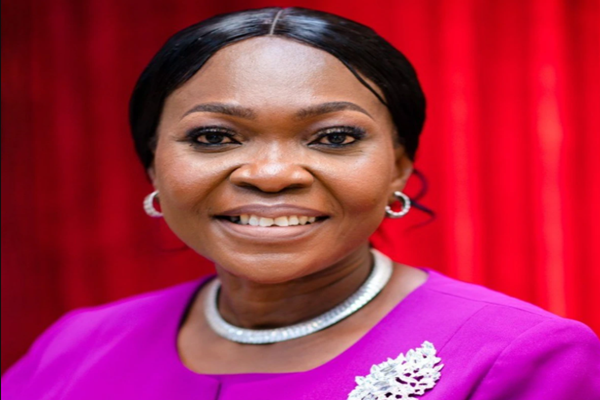
According to a report by Nairametrics, the President of the society, Dr Gloria Patrick-Ferife, disclosed this in a communiqué issued on Saturday at the end of the 51st Annual General Meeting (AGM) and Scientific Conference of the OSN in Abuja.
The three-day conference, themed “Re-imagining Eye Care in the Digital Era,” brought together ophthalmologists, researchers, scientists, policymakers and other stakeholders to discuss emerging trends in ophthalmology and strategies for improving access to quality eye-care services.
What the OSN is saying
Patrick-Ferife said the migration of skilled ophthalmologists was worsening existing workforce shortages and making it more difficult to provide equitable access to specialised eye-care services.
She called on the federal, state and local governments to employ more ophthalmologists and other eye-care professionals, particularly in rural and underserved communities.
According to her, inadequate employment opportunities, insecurity and the poor distribution of health workers have contributed to the concentration of specialists in major population centres.
She said Nigeria must urgently strengthen its eye-health workforce and create an enabling environment to retain skilled professionals.
The OSN president also raised concerns over the burden of visual impairment in Nigeria, saying more than 24 million Nigerians were living with some form of visual impairment.
She said cataract, glaucoma, uncorrected refractive errors and diabetic retinopathy remained among the leading causes of blindness and visual impairment in the country.
Patrick-Ferife said about 84% of visual impairment and blindness in Nigeria was preventable or treatable, stressing the need for early detection, appropriate treatment and improved access to eye-care services.
Technology could help bridge eye-care gaps
Patrick-Ferife said the conference theme reflected the urgent need for Nigeria to leverage technology, innovation and data to address gaps in eye-care delivery.
She identified artificial intelligence, tele-ophthalmology, digital imaging, electronic medical records, simulation-based training and data-driven research as technologies that could create new opportunities to expand access to quality eye care.
She, however, cautioned that technological advancement must not compromise ethics or replace the human expertise required in patient care.
She said the OSN was particularly concerned about the digital divide, inadequate infrastructure, affordability, data protection and the ethical implications of deploying artificial intelligence in healthcare.
The society called for the immediate integration of eye-health data into the national District Health Information Software (DHIS) platform to facilitate effective planning and evidence-based decision-making.
It also advocated the deployment of solar-powered digital tools at the primary healthcare level to address challenges associated with unreliable electricity supply and make digital eye care more accessible.
Patrick-Ferife called for the adoption of tele-ophthalmology and other digital solutions to improve service delivery and expand access to specialist care in underserved rural and urban communities.
Get up to speed
Nigeria’s eye-care sector has seen several government and private-sector efforts aimed at expanding access to specialised services and reducing preventable blindness.
The Federal Government announced plans in January 2024 to establish an eye-care hospital in partnership with Lions Club International, with a proposed budget of N3.5 billion. The project also included plans for a diabetes and cancer research centre.
There have also been private-sector and development-partner efforts to improve access to eye care. In February 2026, the Christian Blind Mission (CBM) announced a €15 million, about N25 billion, investment to strengthen eye-care services across 14 Nigerian states through its SightQuest Nigeria Programme.
The 10-year programme, running from 2026 to 2035, focuses on preventing blindness and visual impairment through cataract surgeries, refractive error services and expanded access for vulnerable communities.
What you should know
Nigeria’s wider healthcare system continues to face significant access and financing challenges despite recent improvements in health coverage.
The number of Nigerians covered by health insurance increased from 19.2 million in 2024 to 21.7 million in 2025, representing about 13% of the population, according to the 2025 State of Health of the Nation Report.
However, rising drug and hospital costs continue to put pressure on healthcare financing, with health insurance premiums increasing significantly between 2024 and 2025.


Morning recap: FG counters opposition on Tinubu’s 2027 chances, 37 die from toxic fumes in Rivers, other top stories

‘Akpabio’s wife visited Senate Chamber to inspect faulty equipment’ – Aide refutes ‘unholy access’ reports

“If women are called gold diggers, what do we call those men who benefit from their fellow men’s wealth?” – Mary Njoku asks

Fulani Militia Seize 6 from Kaduna Village, Leave 2 for Dead as Kidnapping Expands in Nigeria’s Middle Belt

Trump Appoints Atiku’s US Lobbyist Karl Von Batten to White House Commission » Apples Bite Int’l Magazine

“Make una keep deceiving una sef with brand deals” – Phyna reacts to Tochi’s advice to BBNaija ex-housemates

Nigeria Cannot Have Security Without A Strong Economy, Otunba Senator Gbenga Daniel Declares » Apples Bite Int’l Magazine

Pindaa Health Workers Share Video Of Huge River They Risk Their Lives To Cross Everyday Before Going To Work

School Boy Receives Dirty Slaps From Roommates, Forced to Carry Pumping Machine He Was Caught Stealing On His Head

“Wickedness dey oo” – Lady calls out ‘desperate’ abroad men who pay bride price, sleep with women and later request dowry

“Even if you have been with fifty, it’s two” – Lady advises women on ‘lies’ to tell men who want to marry them

NPFL: Katsina United strengthen squad with Aminu signing

Ukraine war: how escalating attacks are upending lives in Kyiv

Opposition must unite to win 2027 election – NDC S’West chairperson, Ekong

Ophthalmologist Migration Could Cost Nigeria $150,000 Annually – OSN

Sikiratu Sindodo Regrets Making MC Oluomo Relationship Public » Apples Bite Int’l Magazine

How Nepal Principal Saved 900 Students From Deadly Flood Disaster

APC Is A Very Aggressive Ruling Party – Lagos NDC Gov’ship Candidate

Cosmetic Surgery: Daniel Regha warns against body shaming after influencer Tiny’s demise

Cheating Allegation: Cubana Chief Priest tackles Solomon Buchi over Peller controversy

 Headlines18 hours ago
‘Akpabio’s wife visited Senate Chamber to inspect faulty equipment’ – Aide refutes ‘unholy access’ reports
- Politics18 hours ago
Fulani Militia Seize 6 from Kaduna Village, Leave 2 for Dead as Kidnapping Expands in Nigeria’s Middle Belt
- News23 hours ago
Nigeria Cannot Have Security Without A Strong Economy, Otunba Senator Gbenga Daniel Declares » Apples Bite Int’l Magazine
- Special Report16 hours ago
Pindaa Health Workers Share Video Of Huge River They Risk Their Lives To Cross Everyday Before Going To Work
- Special Report19 hours ago
School Boy Receives Dirty Slaps From Roommates, Forced to Carry Pumping Machine He Was Caught Stealing On His Head
- Entertainment23 hours ago
“I used it to support the orphanage” — Lady reveals what unemployed friend did with ₦400k raised for her rent
- Politics15 hours ago
Politics 27 seconds ago Insecurity: APM Accuses Tinubu Govt Of Downplaying Killings, Kidnappings The Allied Peoples Movement (APM) has accused the Federal Government of living in denial over its claim that insecurity has improved across…
- News22 hours ago
Friends, associates gather to celebrate MB Anugwa’ graduation from National Defence College Abuja – Secrets Reporters Nigeria