Politics
FG’s Bonds To Emerging Markets Benchmark

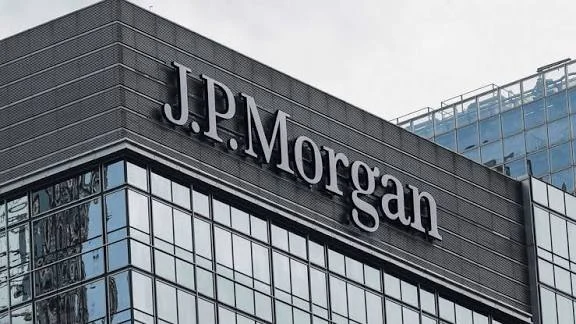
J.P. Morgan, one of the world’s leading financial institutions and a major manager of widely tracked emerging-market bond indices, has included selected federal government’s bonds in its newly introduced Government Bond Index-Emerging Markets Edge (GBI-EM Edge).
The development, announced on September 14, 2026, marks Nigeria’s return to a J.P. Morgan bond benchmark more than a decade after the country exited its previous index.
The inclusion reflects improvements in Nigeria’s domestic debt market following economic reforms, including measures to stabilise the naira, clear foreign exchange backlogs and strengthen economic growth and inflation management.
Nigeria qualified for inclusion based on two key criteria: market liquidity and the size of outstanding bond issuances.
The federal government said eligible FGN bonds are actively traded under a two-way quote system, while outstanding volumes across the relevant tenors are significantly above J.P. Morgan’s minimum requirement of $250 million.
Read Also:
Nigeria has been assigned a 7.40 percent weighting in the new index, placing it among the highest-weighted countries in the 26-market benchmark and close to J.P. Morgan’s eight percent maximum country allocation.
The return to the J.P. Morgan benchmark is significant because Nigeria was removed from the GBI-EM Global Diversified Index in 2015 amid foreign exchange liquidity challenges.
Nigeria was initially included in the GBI-EM in 2012, a development that attracted foreign investment into the country’s domestic securities market and reportedly reduced government borrowing costs by about 200 basis points.
The latest inclusion is expected to encourage additional foreign portfolio investment as funds that track the index adjust their portfolios to reflect Nigeria’s allocation.
The government also expects increased foreign institutional demand for FGN bonds to support bond prices and gradually reduce yields, potentially lowering the cost of servicing naira-denominated debt.
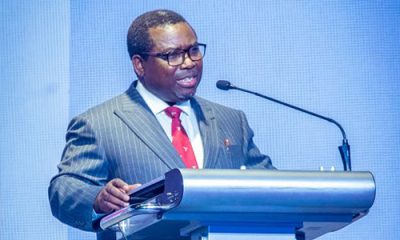
Finance Minister and Coordinating Minister of the Economy, Taiwo Oyedele, described the development as an independent endorsement of the economic reforms being implemented by the administration of President Bola Tinubu.
Oyedele said the development reflects increased confidence in Nigeria’s economic management and could help reduce the cost of financing the country’s development priorities.
He however, noted that the government would continue implementing reforms aimed at securing Nigeria’s full reinstatement in J.P. Morgan’s flagship emerging-markets bond index.
The federal government said it remained committed to sustaining the reform programme and deepening investor confidence in Nigeria’s domestic financial market.


“Any Algorithm Can Calculate, But It Cannot Care” — NMCN Registrar Warns Nurses Against Overreliance On AI

RE: RESPONSE TO MISLEADING PUBLICATION ON THE PRESIDENTIAL AMNESTY PROGRAMME (PAP)

‘He’s closest to Lionel Messi’ – Rashford names player to win more Ballons d’Or than Cristiano Ronaldo

2027: ‘Peter Obi’s Logic Is Short-Term Turnover Unlike Tinubu Who Thinks Of Next Generation’ – Oshiomhole

Power Outage: Tegbe assures Nigerians of swift restoration as electricity disruptions hit Lagos, Abuja

“Not To Own It, But To Give It Another Chance At Life” — Foreigner Rescues Sea Turtle From Lagos Sellers As NESREA Faces Enforcement Questions

‘Politics is expensive everywhere’ – Wike replies critics over high billboard cost in Abuja

Jesus de Miguel’s death: ‘He’d never intentionally hurt anyone’ – Owono’s team-mate defends goalkeeper

Investigate hijab controversy in Nigerian law schools immediately- MURIC to Council of Legal Education

“Courts Must Guard Their Independence, Impartiality And Integrity” — NDC Warns After Atiku’s Candidacy Is Nullified

US Offers $20m Reward For Information On Iran’s Nuclear Programme

Bayelsa Commissioner, six others escape death in boat accident

LaLiga: Real Madrid team is more important – Mourinho hints at benching Vinicius Jr

Turkey: Osimhen undergoes successful knee surgery, faces three weeks on sidelines

Klopp confirms goalkeeper to replace Neuer as Germany’s first choice

NNL: Eko United coach Oyekale eyes winning start against Heartland

2027: Atiku Vows to Remain in Presidential Race Despite Court Ruling

Police Detain ASP After Stray Bullet Kills Young Girl During Lagos Operation

You are a liar: Ogun govt knocks actor Kunle Afod

2027: Ojudu Says He Has Not Decided Whom to Vote for

 Politics7 days ago
Over 200 Boko Haram Terrorists Are Moving To Attack Military Camp In Buni Yadi As Rockets Target Troops; IED Threat Raises Travel Concerns
- Metro7 days ago
“Publishing His Name Is Subject To The Final Outcome Of A Court Order” — INEC Leaves Gwarzo Off Updated Kano Governorship List
- Metro7 days ago
“The Election Must Hold As Scheduled” — INEC Chairman Rules Out Postponement Of 2027 General Elections
- Metro7 days ago
“Ebola Outbreak Is Not Yet Under Control” — Africa CDC Warns As Confirmed Cases Exceed 10,200, Death Toll Surpasses 5,000
- Metro7 days ago
“Death Benefits Will Be Fully Paid To Next Of Kin” — NAF Pledges Continued Salaries For Personnel Killed In October 5 Aircraft Crash
- Metro7 days ago
“Sowore’s Whereabouts Remain Unknown” — Armed Men Allegedly Abduct AAC Presidential Candidate In Ado-Ekiti, Damage Vehicles And Restaurant
- Metro6 days ago
“21 Exotic Vehicles Affected, No Life Lost” — LASEMA Confirms Lagos Mechanic Workshop Fire, Averts Disaster At Nearby Filling Station
- Metro6 days ago
“They Beat Me Like A Criminal” — Sowore Recounts Ekiti Attack As Govt Denies Involvement, Calls For Police Investigation