Politics
Nigeria’s Power Grid – The Trumpet Newspaper Nigeria

Nigeria’s electricity grid generated 3,927.66 megawatts (MW) of power as of 4:00 PM on Thursday, according to the latest data from the Nigerian Electricity System Operator (NISO) real-time dashboard.
The figure, reported by 18 electricity generating companies (Gencos), reflects the persistent constraints facing the nation’s power sector despite incremental improvements in some areas. While total output hovers below 4,000 MW for the afternoon period, it underscores the gap between installed capacity and actual generation in Africa’s largest economy.
Grid Performance Snapshot
The NISO 24-hour Grid Performance Dashboard provides a detailed breakdown of contributions from various power plants across the country: Top Performers (as of 16:00):
Egbin (Steam): 521.00 MW — Leading contributor
Jebba (Hydro): 492.00 MW
Zungeru: 445.00 MW
Afam VI (Gas/Steam): 370.00 MW
Azura-Edo IPP (Gas): 390.00 MW
Kainji (Hydro): 314.00 MW
Delta (Gas): 331.00 MW
Shiroro (Hydro): 270.61 MW
Read Also:
Several plants recorded zero output at the time of reporting, including major facilities such as:
Alaoji NIPP
Gbarain NIPP
Geregu (Gas) and Geregu NIPP
Ihovbor NIPP (partial output at 81.60 MW)
Olorunsogo NIPP
Sapele NIPP
Trans Afam Power
This variability highlights ongoing issues with gas supply, maintenance, water levels for hydro plants, and technical constraints that frequently sideline significant portions of Nigeria’s installed generation capacity.
Broader Context
Nigeria’s total installed generation capacity exceeds 12,000 MW, but actual grid-delivered power has historically struggled to surpass 5,000 MW consistently due to a combination of factors:
Inadequate gas supply to thermal plants
Transmission infrastructure bottlenecks
High aggregate technical, commercial, and collection (ATC&C) losses
Liquidity challenges in the electricity value chain
The current 3,927.66 MW reading comes at a time when electricity demand is estimated to be well above 20,000 MW nationwide. Many Distribution Companies (Discos) continue to implement load shedding, leaving millions of homes and businesses reliant on expensive diesel and petrol generators.
Recent Sector Developments
The Nigerian power sector has seen several reform efforts in recent years, including the signing of the Electricity Act (Amendment) and various initiatives aimed at improving gas-to-power supply and attracting private investment. However, progress remains slow, with frequent national grid collapses still occurring. Stakeholders have repeatedly called for:
Accelerated investment in transmission and distribution infrastructure
Full implementation of cost-reflective tariffs
Resolution of the gas supply crisis
Greater decentralisation of the sector to allow states and private players more autonomy
Industry Reactions
Energy analysts note that while afternoon generation around 4,000 MW is not unusual, sustained output above 5,000–6,000 MW would be needed to make a meaningful difference to industrial productivity and household comfort during peak evening hours.“The grid is still operating far below potential,” said one power sector expert who reviewed the dashboard. “Hydro plants are performing relatively well, but many gas-fired stations remain underutilised due to fuel supply issues.”
Looking Ahead
As Nigeria continues its energy transition ambitions and explores renewable energy integration alongside traditional sources, real-time dashboards like NISO’s play a crucial role in promoting transparency and accountability in the sector. For now, the 3,927.66 MW generation figure serves as a reminder of the urgent need for structural reforms if the country is to meet its growing electricity needs and support economic development goals.


“Any Algorithm Can Calculate, But It Cannot Care” — NMCN Registrar Warns Nurses Against Overreliance On AI

RE: RESPONSE TO MISLEADING PUBLICATION ON THE PRESIDENTIAL AMNESTY PROGRAMME (PAP)

‘He’s closest to Lionel Messi’ – Rashford names player to win more Ballons d’Or than Cristiano Ronaldo

2027: ‘Peter Obi’s Logic Is Short-Term Turnover Unlike Tinubu Who Thinks Of Next Generation’ – Oshiomhole

Power Outage: Tegbe assures Nigerians of swift restoration as electricity disruptions hit Lagos, Abuja

‘Politics is expensive everywhere’ – Wike replies critics over high billboard cost in Abuja

“Not To Own It, But To Give It Another Chance At Life” — Foreigner Rescues Sea Turtle From Lagos Sellers As NESREA Faces Enforcement Questions

“Courts Must Guard Their Independence, Impartiality And Integrity” — NDC Warns After Atiku’s Candidacy Is Nullified

Investigate hijab controversy in Nigerian law schools immediately- MURIC to Council of Legal Education

Jesus de Miguel’s death: ‘He’d never intentionally hurt anyone’ – Owono’s team-mate defends goalkeeper

COAS assures troops of Nigerian Army’s 4 Brigade of improved welfare
COAS assures troops of Nigerian Army’s 4 Brigade of improved welfare

EPL: ‘Awoniyi decision was penalty’ – Lampard blasts three VAR calls after Everton won

Sokoto Governor Doubles NYSC Monthly Allowance To ₦20,000, Gives Corps Members ₦30,000

AFCON 2027Q: Chelle names 24 players for Tanzania double-header

2027 U-23 AFCONQ: DR Congo set to host Olympic Eagles behind closed doors

Fire Service equips prison officers to tackle fire outbreaks

Turkey: Galatasaray told to start leaving Osimhen on bench in matches

Nigerians Call On Tinubu To Quit 2027 Presidential Race Over Tripping, ‘Lilikabu’ Comment

‘Tinubu Won’t Listen Unless Confronted’ – Dele Momodu Reacts To Makinde’s Appeal Over Atiku, ADC

 Politics7 days ago
Over 200 Boko Haram Terrorists Are Moving To Attack Military Camp In Buni Yadi As Rockets Target Troops; IED Threat Raises Travel Concerns
- Metro7 days ago
“The Election Must Hold As Scheduled” — INEC Chairman Rules Out Postponement Of 2027 General Elections
- Metro7 days ago
“Publishing His Name Is Subject To The Final Outcome Of A Court Order” — INEC Leaves Gwarzo Off Updated Kano Governorship List
- Metro7 days ago
“Ebola Outbreak Is Not Yet Under Control” — Africa CDC Warns As Confirmed Cases Exceed 10,200, Death Toll Surpasses 5,000
- Metro7 days ago
“Death Benefits Will Be Fully Paid To Next Of Kin” — NAF Pledges Continued Salaries For Personnel Killed In October 5 Aircraft Crash
- Metro7 days ago
“Sowore’s Whereabouts Remain Unknown” — Armed Men Allegedly Abduct AAC Presidential Candidate In Ado-Ekiti, Damage Vehicles And Restaurant
- Metro6 days ago
“They Beat Me Like A Criminal” — Sowore Recounts Ekiti Attack As Govt Denies Involvement, Calls For Police Investigation
- Metro7 days ago
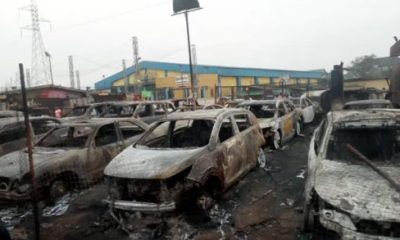
“21 Exotic Vehicles Affected, No Life Lost” — LASEMA Confirms Lagos Mechanic Workshop Fire, Averts Disaster At Nearby Filling Station