World
US Senate Passes Russia Sanctions Bill, Could Trigger 100% Tariff on India

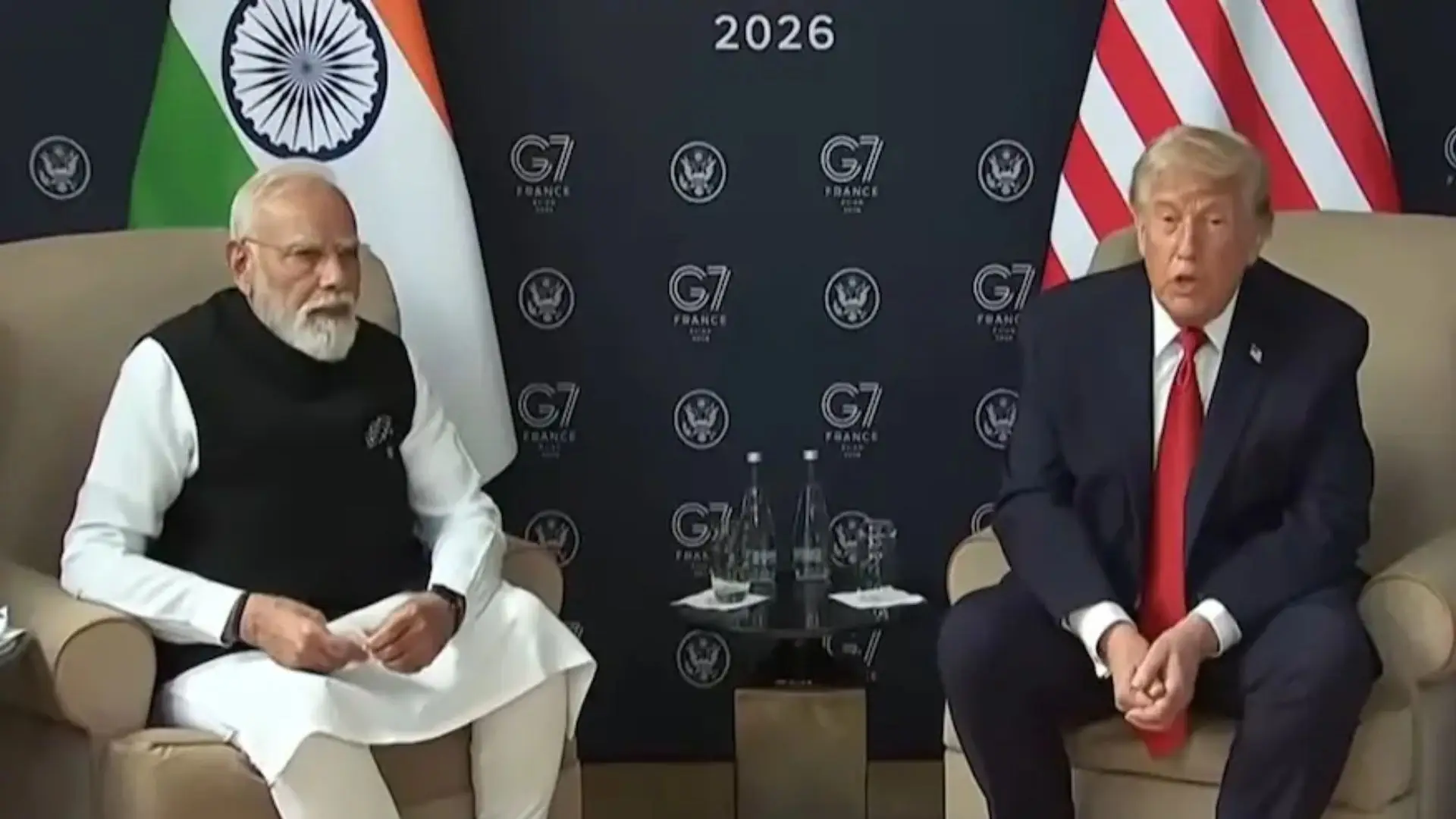
Washington, DC, US: The US Senate on Friday passed a bipartisan bill that could authorise President Donald Trump to levy tariffs of up to 100% on goods from countries, including India and China, that continue importing Russian oil and gas, maintaining that such trade helps sustain Moscow’s economy and fund its military operations in Ukraine.
The Senate approved the Lindsey O Graham Sanctioning Russia and Iran Act of 2026 by an overwhelming 86-11 vote. Named after the late Republican Senator Lindsey Graham, one of its principal architects, the legislation aims to escalate economic pressure on Russia and Iran while targeting nations that maintain major energy trade ties with Moscow.
Under the provisions, the US president would be granted discretionary authority to impose tariffs of up to 100% on imports from the world’s top five buyers of Russian crude oil or natural gas.
Beyond targeting foreign energy buyers, the legislation outlines fresh sanctions against Russian President Vladimir Putin, senior political and military officials, financial institutions, energy developments and connected entities linked to Russia’s war effort.
It further extends US sanctions to older and reflagged oil tankers allegedly utilised by Russia to circumvent global restrictions and maintain energy export revenues. The broader objective is to restrict the financial flows supporting Russia’s economy and military campaign.
The legislation empowers the US president to enforce tariffs of up to 100% on goods imported from the top five purchasers of Russian oil or natural gas. India remains one of the largest buyers of Russian crude globally, alongside China.
The measure seeks to present energy-importing nations with a choice between continuing to purchase discounted Russian energy or retaining access to the lucrative US market.
India expanded its procurement of discounted Russian crude following the outbreak of the Russia-Ukraine conflict in 2022 to secure national energy requirements during global market turmoil.
While Russia was historically not a traditional primary supplier for India, the availability of discounted crude allowed Indian refiners to optimise raw material costs and ensure uninterrupted domestic supplies, particularly amid transit disruptions in the Strait of Hormuz.
New Delhi has consistently maintained that its energy procurement strategy is guided strictly by national interest, energy security and the imperative to guarantee affordable and reliable energy for its citizens.
While Washington has previously raised concerns regarding global purchases of Russian oil, Indian refiners have maintained a pragmatic stance focused on domestic energy stability.
If broadly applied, a 100% tariff could raise import costs for US buyers across key trade sectors, including engineering goods, pharmaceuticals, chemicals, textiles and auto components.
Should US importers seek alternative suppliers in response to higher costs, Indian commercial exporters may explore market diversification or adjust operational strategies to maintain their global competitiveness.
Although the legislation secured strong Senate support, some lawmakers expressed reservations regarding the expansion of presidential tariff authority.
An amendment proposed by Republican Senator Rand Paul and Wyden seeking to remove the new tariff authority was defeated by the Senate. Senator Raphael Warnock, who had raised concerns regarding the tariff framework, confirmed receiving a written commitment from the Trump administration detailing operational safeguards.
The bill also incorporates strategic measures targeting Iran by extending the Iran Sanctions Act of 1996 through 2031 to sustain pressure on Tehran’s energy sector.
The bipartisan package thus combines regulatory measures against two countries that Washington views as major geopolitical adversaries.
Under the draft terms, countries may qualify for an exemption if they account for less than 15% of Russia’s total natural gas exports and are actively taking steps to reduce their reliance on Russian energy.
The bill also grants the US president full authority to waive sanctions or tariff restrictions if the administration determines such an action aligns with US national interest.
The proposed legislation now moves to the US House of Representatives for consideration when lawmakers return later this month.
House approval is required before the measure can be sent to Trump for signature, leaving significant legislative and diplomatic processes ahead before any potential tariff measures could take effect.


Exclusive: High Court Issues Bench Warrant on Akwa Ibom NSCDC Commandant Geraldine Abetianbe Over Alleged Illegal Truck Seizure, Abuse of Office – Secrets Reporters Nigeria

“The child I lost might have transformed our family’s life” — Woman’s response after losing 12th baby leaves people speechless

JUST IN: Senators Complain Akpabio Collects A Bill And Approves It Without Even Debating In The House’ -Sani

Abiodun Hails APC National Chairman At 58, Says His Leadership Will Consolidate Party’s Electoral Fortunes

“Why We Initially Denied Ayra Starr South African Visa” — Envoy Says Team Submitted Wrong Yellow Fever Certificate

Osun Election: Adeleke Campaign Council Demands Redeployment of Police Commissioner, Alleges Partisanship

“Loan I Took For Girlfriend Almost Destroyed My Life” — Skit Maker Baami Says ₦30,000 Debt Grew To Over ₦300,000 After She Dumped Him

“You dey bridal shower, hunger dey kill your husband” – Peller calls out wife Jarvis ahead of white wedding

“Osun Guber: Police Arrest Commissioner Adejoorin Over Alleged Gun Attack On APC Rally” — APC, Accord Trade Accusations As Pre-Election Violence Claims 18 Lives

Peter PSquare: “Jude called your son a bastard and you didn’t break his teeth; I’m disappointed” — Ovie Success

“NDLEA Arrests Italy-Based Businessman With 98 Wraps Of Cocaine In Stomach” — Suspect Says He Took €3,500 Job To Relocate To Germany

“Police Kill Suspected Bandit Kingpin ‘Acid’ Linked To Imo Monarch’s Murder” — Recover AK-47, 56 Rounds Of Ammunition

“Raise Your Voices Against Terrorism, Kidnapping And Banditry” — Tinubu Charges African Religious Leaders At Kano Maulud

APC Beats INEC Deadline, Completes Upload Of 2027 Candidates

Beijing urged to win Indian hearts, Hong Kong’s hottest day: 5 weekend reads you missed

Politics 29 seconds ago Raise Your Voice Consistently – Tinubu Sends Message To Clerics President Bola Tinubu has urged religious and spiritual leaders to consistently speak out against terrorism, kidnapping and banditry. NEWSNGR reports that…

Gov. Lawal Celebrates APC National Chairman, Yilwatda At 58

President Tinubu Celebrates Industralist, Prince Albert Awofisayo, At 80

Benue House Of Assembly Leader Dumps APC For PDP

Olu of Warri Inspects Coronation Anniversary Preparations on Electric Scooter

 Entertainment23 hours ago
“You dey bridal shower, hunger dey kill your husband” – Peller calls out wife Jarvis ahead of white wedding
- Metro21 hours ago
“Osun Guber: Police Arrest Commissioner Adejoorin Over Alleged Gun Attack On APC Rally” — APC, Accord Trade Accusations As Pre-Election Violence Claims 18 Lives
- Entertainment10 hours ago
Peter PSquare: “Jude called your son a bastard and you didn’t break his teeth; I’m disappointed” — Ovie Success
- Metro21 hours ago
“Tinubu’s VIP Police Withdrawal Order Faces Uneven Compliance” — Politicians, Businessmen Still Seen With Escorts Across States
- Entertainment13 hours ago
“I was in court when Peter…” – Lady reveals what she witnessed during Okoye brothers’ case amid his recent revelations
- News7 hours ago
Years of Promises, Budgets and an Abandoned Bridge: How Russau Residents Continue to Risk Their Lives Crossing A River – Secrets Reporters Nigeria
- Special Report23 hours ago
Freed Kwara kidnap victim narrates ordeal in captivity, says 13 children died
- Special Report13 hours ago
Troops foil abduction, rescue 33 passengers in Zamfara – The Witness Nigeria